What Debt Consolidation Actually Means
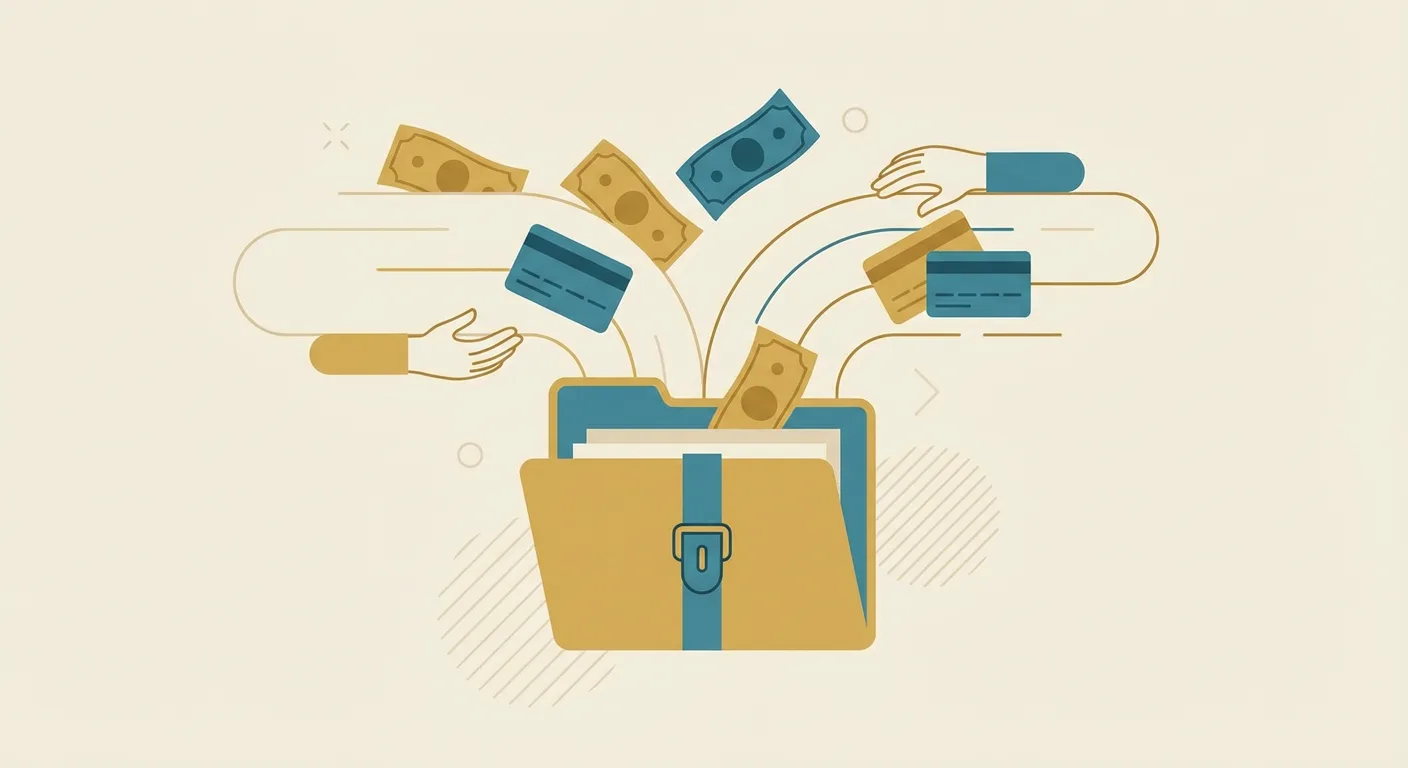
Debt consolidation is the process of combining multiple debts — usually high-interest credit card balances — into a single loan with one monthly payment and, ideally, a lower interest rate.
The concept is straightforward: instead of juggling four credit cards with different due dates, different rates, and different minimum payments, you take out one personal loan, pay off all four cards, and make a single payment each month.
The Core Promise: Simplify your payments, reduce your interest rate, and pay off your debt faster. But this only works if the conditions are right and you change the behavior that created the debt in the first place.
How It Works in Practice
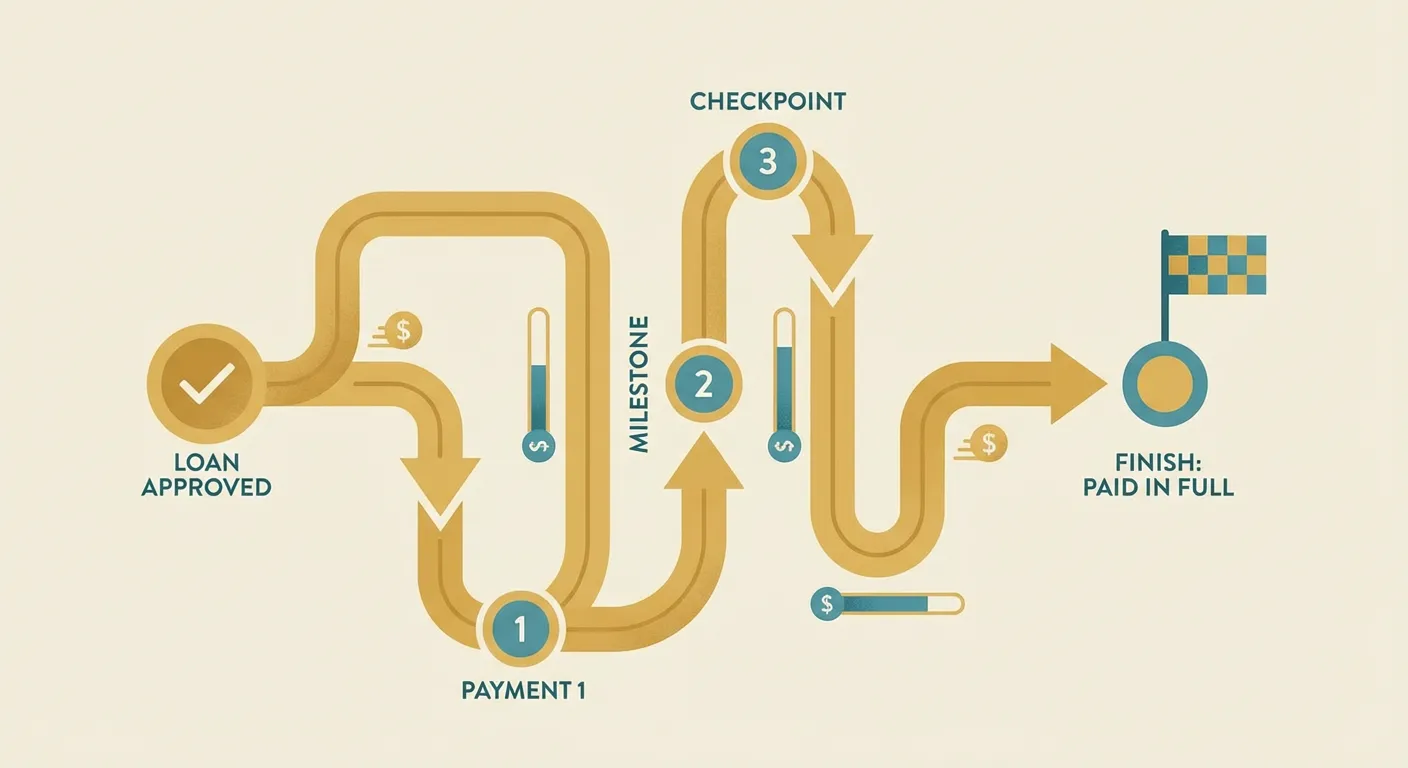
Step 1: Add up your existing debts. List every balance you want to consolidate, along with each interest rate and minimum payment.
Step 2: Apply for a consolidation loan. This is typically a personal loan from a bank, credit union, or online lender. You’ll need to qualify based on your credit score, income, and debt-to-income ratio.
Step 3: Use the loan to pay off your existing debts. Some lenders will pay your creditors directly. Others disburse the funds to you, and you pay the debts yourself.
Step 4: Make one monthly payment on the new loan. This payment should be lower than the combined minimum payments you were making before — or at least carry a lower interest rate so more of each payment goes toward the principal.
When Debt Consolidation Makes Sense
Consolidation is a tool, not a magic fix. It works best under specific conditions.
You have high-interest credit card debt. If your credit cards carry 20% to 28% APR and you qualify for a personal loan at 10% to 15%, the math works in your favor. You’ll pay less interest and can eliminate the debt faster.
You have multiple payments to manage. If tracking several due dates, amounts, and creditors is causing you to miss payments or feel overwhelmed, consolidation simplifies the logistics.
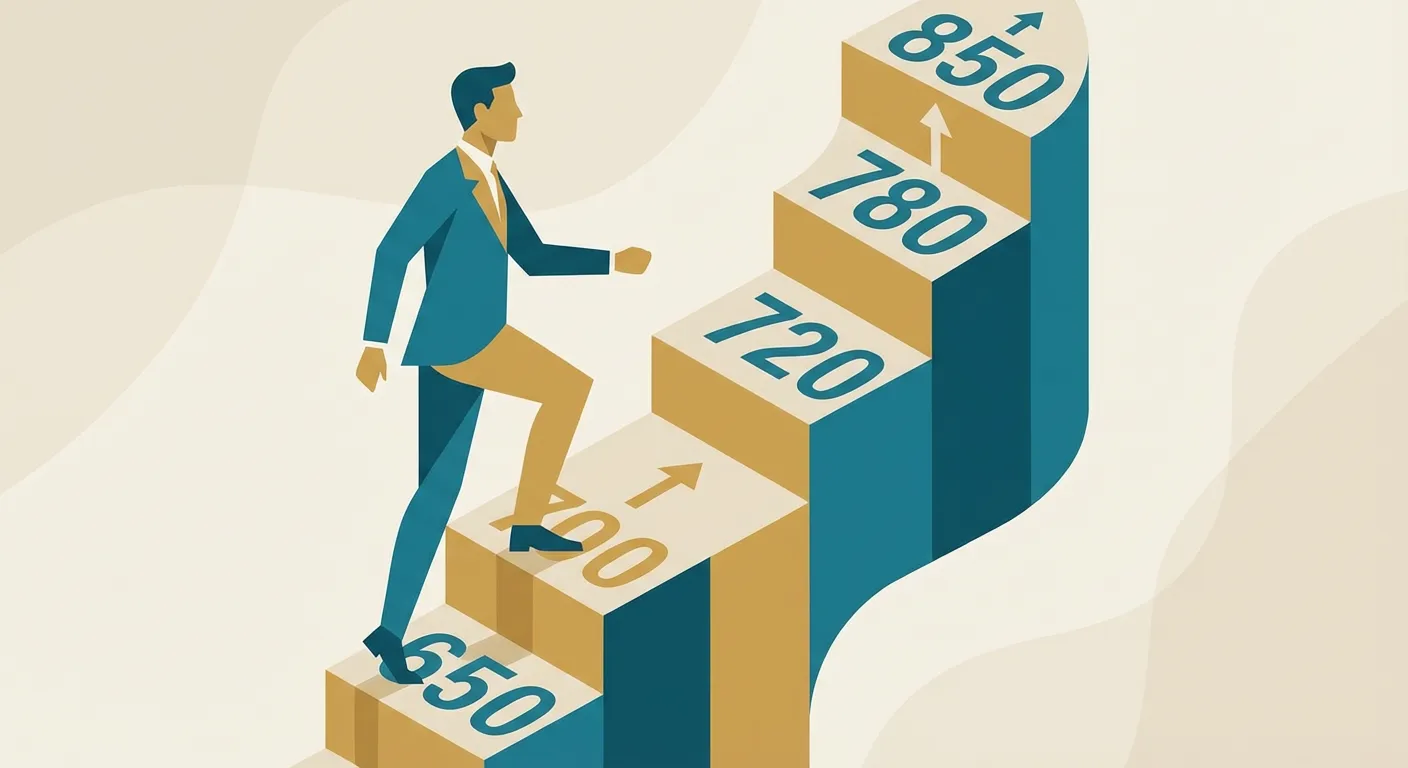
Your credit score qualifies you for a better rate. Consolidation only saves money if the new loan’s APR is meaningfully lower than what you’re currently paying. If your credit score has improved since you took on the original debts, you may qualify for significantly better terms.
You’re committed to not adding new debt. This is the most critical condition. Consolidation frees up your credit card limits. If you continue using those cards, you’ll end up with the original debt plus the consolidation loan — a worse position than where you started.
When It Doesn’t Make Sense
Your credit score won’t get you a lower rate. If lenders are offering you 25% APR on a consolidation loan and your credit cards are at 22%, you’re not gaining anything. The fees may actually make it more expensive.
You’d be extending the repayment period significantly. A lower monthly payment feels good, but if it comes from stretching a three-year payoff into a seven-year term, you may pay more total interest despite the lower rate.
The debt is small and manageable. If you owe $2,000 across two cards, the origination fees and effort of a consolidation loan may not be worth it. A focused payoff plan using the avalanche or snowball method might be more effective.
You haven’t addressed the root cause. If overspending is an ongoing pattern, consolidation provides temporary relief but doesn’t solve the underlying problem. The debt will come back — often worse.
The Math: When Does Consolidation Actually Save Money?
Let’s work through a concrete example.
Current situation:
- Card A: $5,000 at 24% APR — $150/month minimum
- Card B: $3,000 at 22% APR — $90/month minimum
- Card C: $2,000 at 20% APR — $60/month minimum
- Total: $10,000 in debt, $300/month in minimums
Paying only minimums at these rates, you’d take over four years to pay off the debt and spend approximately $4,800 in interest.
Consolidation scenario:
- Personal loan: $10,000 at 12% APR, 3-year term
- Monthly payment: approximately $332
- Total interest paid: approximately $1,957
The savings: roughly $2,800 in interest and one year less of payments.
Critical Note: These savings only materialize if you don’t charge up the credit cards again. The moment you carry new balances on the freed-up cards, you’ve doubled your problem.
Types of Debt Consolidation
Not all consolidation options are the same. Here are the most common approaches.
Personal loan (unsecured) The most popular method. No collateral required. Fixed rate and term. Best for borrowers with good credit (670+) who can qualify for a competitive rate.
Balance transfer credit card Some cards offer 0% APR introductory periods (typically 12 to 21 months). You transfer existing balances to the new card and pay no interest during the promo period. The catch: balance transfer fees (typically 3% to 5%) and a high rate that kicks in after the intro period.
Home equity loan or HELOC Borrowing against your home equity to pay off unsecured debt. Offers the lowest rates but puts your home at risk. This converts unsecured debt into secured debt — a significant escalation of risk.
401(k) loan Borrowing from your retirement savings. Generally not recommended — you lose investment growth, and if you leave your job, the full balance may become due immediately.
The Hidden Risks
Risk 1: Accumulating new debt on freed-up cards. This is the most common trap. Studies show that a significant percentage of people who consolidate end up with higher total debt within a few years because they continue using credit cards.
Risk 2: Paying more interest over a longer term. A lower monthly payment stretched over more years can cost more total interest — even at a lower rate. Always compare total cost, not just monthly payment.
Risk 3: Origination fees eating into savings. If a lender charges a 5% origination fee on a $10,000 loan, that’s $500 off the top. Factor this into your savings calculation.
Risk 4: False sense of progress. Consolidation can feel like you’ve solved the problem when you’ve only reorganized it. The debt still exists — it’s just in a different container.
A Step-by-Step Decision Framework
Use this framework to decide whether consolidation is right for you.
1. Calculate your current total cost. Add up the total interest you’ll pay on your existing debts at your current payment rate. Many online calculators can help.
2. Get consolidation quotes. Apply for prequalification (soft pull) from at least three lenders. Note the APR, term, monthly payment, and total cost for each offer.
3. Compare total costs. The consolidation loan’s total cost (all payments plus fees) must be lower than your current total cost. If it’s not, consolidation doesn’t make financial sense.
4. Assess your behavior honestly. Will you stop using the credit cards? If you’re not confident, consolidation may create more problems than it solves. Consider freezing or cutting up the cards as a commitment device.
5. Consider alternatives. Would the debt avalanche method (paying extra toward the highest-rate debt first) or the snowball method (paying extra toward the smallest balance first) work just as well without the fees and risks of a new loan?
After Consolidation: Staying on Track
If you decide consolidation is right for you, these habits protect your progress.
- Set up autopay for the consolidation loan immediately. Never miss a payment.
- Freeze or remove credit cards from online shopping accounts. Make it harder to spend impulsively.
- Build a small emergency fund — even $500 to $1,000 — so unexpected expenses don’t force you back to credit cards.
- Track your payoff progress monthly. Watching the balance drop is motivating and keeps you accountable.
- Set a firm rule: no new debt until the consolidation loan is fully paid off.
The Bottom Line
Debt consolidation is a powerful tool when used correctly — and a dangerous one when used carelessly. It’s not about finding an easy way out. It’s about restructuring your debt in a way that reduces cost, simplifies management, and creates a clear path to being debt-free.
The key question isn’t “Should I consolidate?” It’s “Am I ready to change the habits that got me here?” If the answer is yes, consolidation can accelerate your journey. If the answer is uncertain, address the habits first.
This content is for educational purposes only. VictoryLoans.com is an independent educational resource — not a lender, bank, or financial advisor. Always consult with a qualified professional regarding your specific financial situation.